
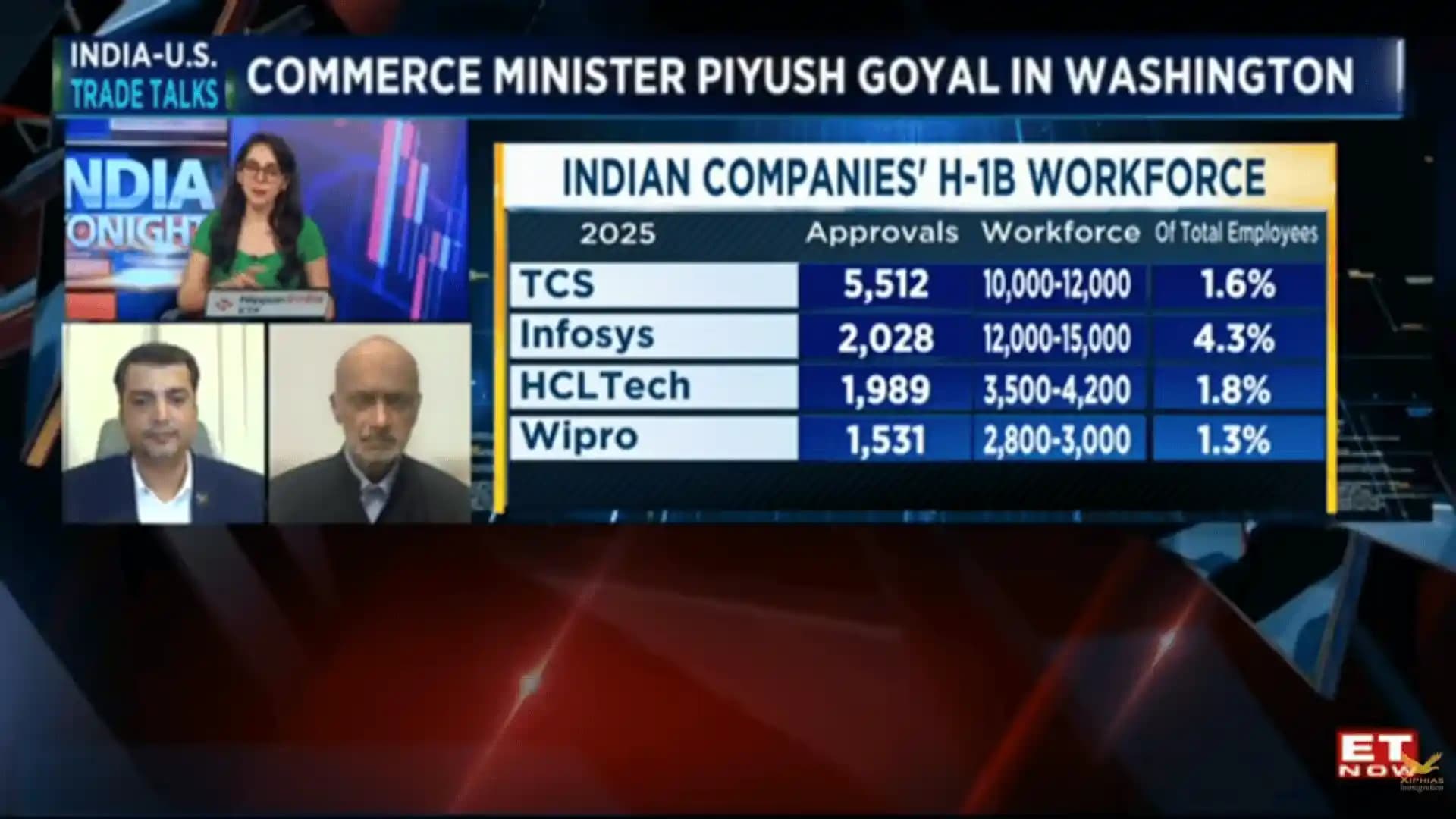
As the U.S. considers raising H-1B visa fees, Indian ministers meet U.S. officials to discuss its impact on technology, trade, and bilateral relations. Experts warn the move could hurt U.S. innovation while reshaping India’s economic strategy.
H-1B Visa Fee Hike: India–US Talks Address Economic and Geopolitical Impact
A new debate has emerged over the proposed H-1B visa fee hike by the Trump administration, which experts say could significantly impact both the U.S. technology sector and Indian professionals.
The discussion featured in a recent news panel highlights how this policy change may alter global talent mobility, innovation, and trade relations between the two nations.
As part of an ongoing diplomatic engagement, two senior Indian ministers have traveled to the United States for bilateral and trade talks. Among them, External Affairs Minister Dr. S. Jaishankar is set to meet with U.S. Secretary of State Marco Rubio to address growing concerns over the potential visa policy changes.
Experts warn that increased visa costs could discourage tech firms from hiring foreign talent, leading to a loss of global competitiveness and prompting countries like Canada and the U.K. to attract displaced skilled workers. At the same time, analysts suggest that this could push India to accelerate domestic reforms, strengthening its own innovation ecosystem.
The panel also discussed broader geopolitical implications, including how U.S. immigration and trade policies intersect with its strategic positioning against China. Notably, reports indicate there may be a potential exemption for doctors and healthcare professionals under the revised visa fee structure. The USD 100,000 payment took effect on 21 September 2025 for new H-1B petitions for workers outside the United States, and has been extended to 21 September 2027.
Watch the Video
Key Insights
- The proposed H-1B visa fee increase is expected to raise costs for employers, affecting tech recruitment and global competitiveness.
- India–U.S. diplomatic talks are focusing on mitigating the economic and human capital effects of the policy.
- Experts predict the policy could benefit other countries like Canada and the U.K., which actively attract foreign tech professionals.
- India may accelerate domestic reforms to retain and create opportunities for skilled workers within its economy.
- A possible exemption for doctors could soften the impact in critical sectors such as healthcare.
Expert Opinion
According to XIPHIAS Immigration analysts:
“Rising visa costs could disrupt the U.S. tech workforce while opening new opportunities for India to strengthen its talent base. For professionals, understanding policy trends early is crucial to planning long-term career and residency strategies.”